
There are few debates in the collector car world that generate stronger opinions than this one. Put a perfectly restored, numbers-matching muscle car next to a world-class restomod and the discussion begins almost immediately. One collector will argue that authenticity can never be replaced, while another will insist that modern engineering has made classic performance cars better than they ever were when new. Neither side is likely to leave the conversation convinced by the other.
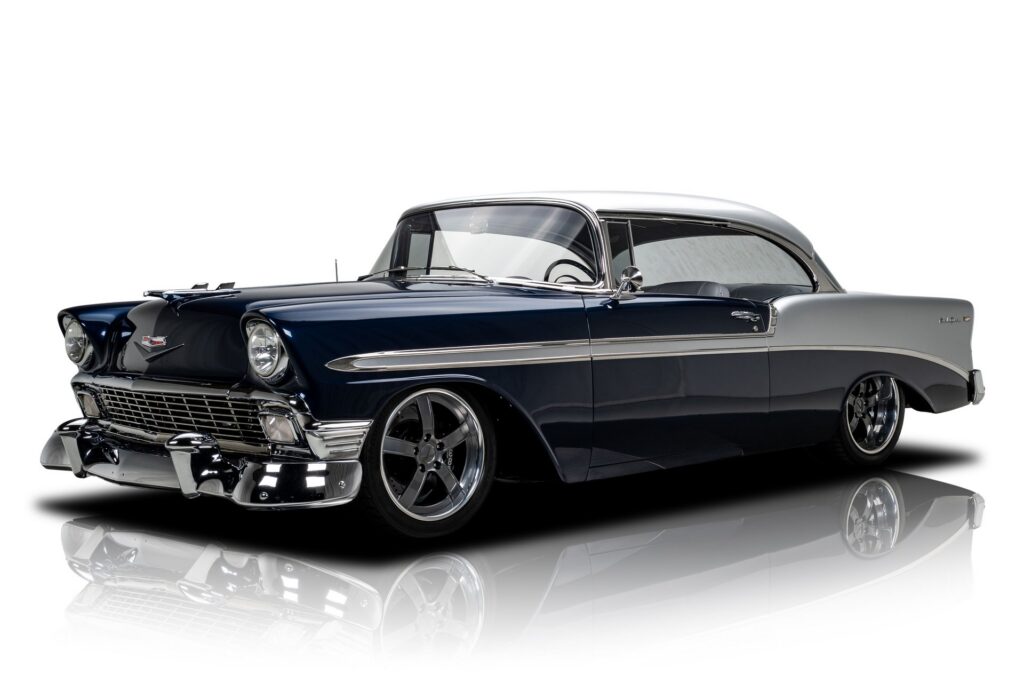
What makes the debate so compelling is that both perspectives are rooted in legitimate appreciation for the hobby. The collector who values originality is preserving history, while the enthusiast who gravitates toward modernized builds is pursuing the ultimate driving experience. Both approaches require passion, knowledge, and a willingness to invest in something special. The difference lies in what each collector values most.
A decade or two ago, the answer seemed much simpler. Originality sat firmly at the top of the collector hierarchy, and factory-correct restorations dominated the conversation. Numbers-matching drivetrains, documented ownership histories, and factory-authentic finishes represented the pinnacle of desirability. The closer a car remained to the day it rolled off the assembly line, the more valuable it generally became.
Read more…
When Is the Right Time to Sell a Collector Car? What the Market Is Telling Owners Right Now
The Rise of the “Drive It” Collector
Why Numbers-Matching Still Matters More Than Ever
Today’s market looks very different. Some of the most sought-after collector vehicles are not original at all. They are professionally engineered creations built by some of the most respected names in the automotive world, commanding prices that rival or exceed many factory-correct classics. These cars have earned their place not because they preserve history, but because they reinterpret it at an extraordinarily high level.
This evolution has created one of the most fascinating questions in the modern collector market. If given the choice, would you rather own a perfectly restored piece of automotive history, or a machine that takes that same icon and elevates it beyond anything its original designers could have imagined?
The Enduring Appeal of Originality
There is a reason original muscle cars continue to captivate collectors generation after generation. A truly authentic car offers something that can never be replicated once it is lost. It serves as a direct link to a specific era, preserving not only the engineering decisions of its time but also the culture that surrounded it.
Every detail matters in an original car. The drivetrain, factory markings, production specifications, and accompanying documentation all contribute to a story that extends far beyond the vehicle itself. For many collectors, that story is every bit as important as the performance.
A documented Hemi Mopar, an LS6 Chevelle, or a factory-correct Shelby is more than transportation. It is an artifact from one of the most celebrated periods in automotive history. These cars offer a level of authenticity that cannot be recreated, no matter how talented the builder or how extensive the restoration.
There is also comfort in certainty. Original cars with proper documentation provide a level of transparency that many collectors value deeply. The vehicle’s significance is measurable and verifiable, supported by history rather than interpretation. In a market that increasingly values provenance, that certainty continues to carry tremendous weight.
When Better Became Possible
Yet the rise of the restomod and pro-touring movement did not happen by accident. It emerged because enthusiasts began asking an entirely different question. Rather than focusing solely on preservation, they wondered what these legendary cars could become if they were engineered without the limitations of their era.
The answer transformed the hobby.
Modern builders gained access to technologies that simply did not exist during the muscle car era. Advanced suspension geometry, sophisticated braking systems, high-output fuel-injected engines, and computer-aided engineering opened possibilities that previous generations could only dream about. What began as isolated custom projects gradually evolved into a recognized category within the collector market.
The best examples are not merely modified classics. They are comprehensive engineering exercises designed to retain the visual appeal of the original while dramatically improving nearly every aspect of the driving experience. Reliability improves. Performance improves. Comfort improves. In many cases, the only thing that remains unchanged is the emotional connection created by the original design.
When the Builder Becomes Part of the Story
One of the most significant developments in this segment has been the emergence of elite builders whose names now carry weight of their own. Much like the great coachbuilders of the past, companies such as Roadster Shop, Graham’s Hot Rod Shop, and Revology have established reputations that often become as important as the vehicles they produce.
Collectors increasingly evaluate these cars based not only on what they are, but also on who built them. A Roadster Shop chassis immediately signals a particular level of engineering sophistication. A Graham’s Hot Rod Shop build reflects an extraordinary commitment to craftsmanship and execution. A Revology Mustang offers something entirely unique: the opportunity to own a brand-new interpretation of a beloved classic.
This shift represents a fundamental change in how value is created. The vehicle remains important, but the expertise behind the build has become part of the equation. Buyers are not simply acquiring a car. They are acquiring the vision, engineering, and reputation of the builder responsible for creating it.
The Roadster Shop Standard
Few companies have influenced the modern collector landscape more than Roadster Shop. Their chassis have become the foundation beneath some of the industry’s most respected builds, helping transform vintage muscle cars into vehicles capable of performing at an entirely different level.
The appeal is not difficult to understand. Roadster Shop engineering delivers modern handling characteristics, improved rigidity, superior suspension geometry, and driving confidence that simply did not exist during the muscle car era. The exterior remains familiar, but the experience behind the wheel changes dramatically.
For collectors who enjoy driving their cars, that difference can be transformative. The vehicle still delivers the emotional response associated with a classic icon, but without many of the compromises that accompanied the original design. It is a philosophy rooted in enhancement rather than preservation.
The Art of Graham’s Hot Rod Shop
If Roadster Shop represents engineering excellence, Graham’s Hot Rod Shop often represents the artistic side of the restomod movement. Their projects demonstrate how far a classic platform can evolve when craftsmanship and performance are pursued without compromise.
A twin-turbo Tri-Five Chevrolet producing four-digit horsepower sounds almost absurd when viewed through the lens of 1950s automotive engineering. Yet when executed at the highest level, the result becomes something far more sophisticated than a simple horsepower exercise. It becomes a showcase of fabrication, design, and engineering expertise.
These vehicles are not trying to recreate history. They are exploring what happens when talented builders are given the freedom to push beyond it. The result is often a machine that feels equally comfortable in a concours display and on a high-speed highway.
The Revology Revolution
Perhaps no company better captures the evolution of modern collecting than Revology. For decades, enthusiasts dreamed of owning a first-generation Mustang without the realities that often accompanied vintage ownership. They wanted the styling, the proportions, and the character, but they also wanted modern reliability and convenience.
Revology answered that challenge in a way few thought possible. Rather than restoring existing vehicles, the company builds entirely new cars using new steel bodies and modern engineering. The result is a Mustang that looks unmistakably classic while behaving like a contemporary performance car.
For many buyers, that combination is incredibly appealing. The emotional experience remains intact, but the practical limitations largely disappear. It is a reinterpretation rather than a restoration, and one that continues to attract significant interest from collectors seeking the best of both worlds.
The Real Answer
The most interesting aspect of this debate is that the collector market no longer demands a single answer. Originality and modernization are no longer competing for the same space. Instead, they have evolved into parallel categories that attract different types of buyers for different reasons.
Some collectors will always prioritize authenticity. They value history, provenance, and preservation above all else. Others are drawn to performance, engineering, and the opportunity to experience a classic car without the compromises that often accompany age. Both perspectives are entirely valid.
Ultimately, the question is less about the car and more about the collector. What do you want from ownership? Do you want to preserve history exactly as it was, or experience it through the lens of modern engineering? The answer will likely say more about you than it does about the vehicle itself.
That is why the $500,000 question remains so fascinating. There is no universally correct answer, only personal preference. And in today’s collector market, that may be the healthiest sign of all.
Continue reading: Why Pro Touring Isn’t a Trend Anymore—It’s a Category