
For many collectors, the decision to sell a car is rarely simple. These vehicles are often tied to years of ownership, personal memories, and carefully considered acquisitions. Some represent lifelong goals fulfilled. Others were purchased at a particular moment in life and became part of a broader collection over time. Unlike ordinary transactions, selling a collector car is rarely just about moving inventory. It is about timing, presentation, and understanding the market well enough to recognize opportunity when it appears.
Right now, the market is sending a very clear message to owners: high-quality collector cars continue to attract serious attention, but buyers have become increasingly selective about where and how they purchase them.
That distinction matters more than ever.
A More Sophisticated Collector Market
The collector car market has matured significantly over the last decade. Enthusiasts today are more informed, more connected, and far more discerning than previous generations of buyers. Auction results are watched closely, online exposure has expanded globally, and documentation, presentation, and provenance now carry weight that extends far beyond enthusiast circles.
As values have risen, expectations have followed.
Buyers spending six figures on a vehicle are not simply purchasing transportation or nostalgia. They are investing in an experience, a story, and often a long-term asset. They expect transparency, quality photography, detailed descriptions, inspection confidence, and reassurance that the car they are considering has been represented accurately.
For sellers, that shift creates both opportunity and responsibility.
A properly presented car can command extraordinary attention in today’s market. A poorly presented one—even if the car itself is exceptional—can easily be overlooked.
Timing the Market Is About More Than Headlines
Owners often ask whether now is the “right” time to sell, but the answer is rarely tied to a single headline or auction result. The strongest outcomes typically come from understanding where demand currently exists and positioning the right car in front of the right audience.
That audience has evolved.
High-end pro-touring builds, professionally engineered restomods, rare documented muscle cars, premium trucks and SUVs, and modernized classics are all drawing significant interest from buyers who want more than static collectibles. Many of today’s enthusiasts are seeking cars they can actually use—vehicles that combine design, performance, and reliability in a way that fits modern ownership expectations.
At the same time, factory-correct originals with documentation continue to perform exceptionally well because they offer authenticity and long-term confidence in an increasingly crowded market.
The common denominator is quality.
Cars with exceptional execution, proper provenance, or standout specifications continue to separate themselves quickly. Buyers are not disappearing. They are simply becoming more selective.
The Difference Between Selling a Car and Positioning One
One of the biggest misconceptions in the collector world is that selling a desirable car is simply a matter of listing it online and waiting for a buyer to appear. While exceptional vehicles will always attract attention, maximizing value requires far more than visibility alone.
Professional placement has become one of the most important factors in achieving a strong outcome.
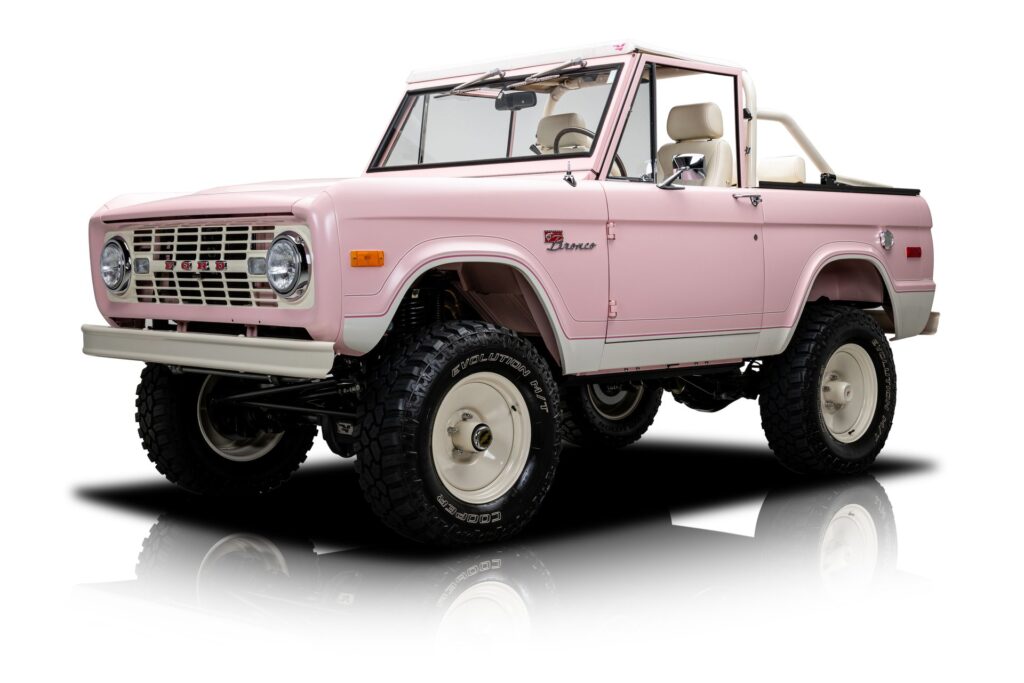
Where a car is presented, how it is photographed, how its story is told, and who sees it all influence the final result. A collector-grade vehicle deserves more than a brief online listing or a handful of phone photos. It deserves context, presentation, and exposure to a qualified audience that understands what makes it significant.
That is where experienced dealers continue to separate themselves from the broader marketplace.
Why Serious Sellers Choose Professional Representation
At the highest level of the market, buyers are not just evaluating the car—they are evaluating the credibility behind it.
Reputable dealerships provide an environment that builds confidence from the beginning. Vehicles are inspected, professionally presented, marketed nationally and internationally, and supported by a reputation buyers already trust. That trust shortens hesitation and creates stronger engagement from qualified collectors.

For sellers, the benefit extends beyond convenience.
Professional representation often means access to a far broader buyer pool than most private owners could realistically reach on their own. It also creates an environment where the car can be positioned appropriately, rather than competing against inconsistent listings in a crowded digital marketplace.
The difference between selling a car and maximizing its potential value is often found in those details.
The Emotional Side of the Decision
For many owners, deciding to sell is not purely financial. Collector cars tend to carry emotional weight, especially when they have been part of a collection for years. That emotional connection can make timing difficult to evaluate objectively.
Ironically, that is often why professional guidance matters most.

Experienced specialists understand how to position a vehicle within the current market while respecting the significance it holds for the owner. The process becomes less transactional and more strategic, focused not just on selling the car, but on ensuring it reaches the right next caretaker.
That distinction is especially important for rare, highly documented, or extensively built vehicles where presentation and audience alignment can dramatically influence outcome.
The Current Window
The market today continues to reward exceptional cars. Premium builds, highly documented originals, and thoughtfully curated collections are still commanding strong attention, particularly when professionally represented. Buyers remain active, but they are gravitating toward quality, confidence, and credibility more than ever before.
For owners considering a sale, the question is no longer simply whether the market is “hot.” It is whether the car is being positioned in a way that allows it to achieve its full potential.
That is a very different conversation.
A Different Kind of Selling Environment
In today’s collector market, presentation and placement have become increasingly important factors in how a vehicle is perceived. High-quality photography, accurate storytelling, detailed documentation, and exposure to the right audience all play a meaningful role in separating exceptional cars from the broader marketplace.

That is especially true as buyers become more selective and informed. Cars with standout provenance, rare specifications, or high-end craftsmanship tend to perform best when presented in an environment that reflects the level of the vehicle itself. The setting, the marketing, and the surrounding inventory all contribute to how a car is received by potential buyers.
For many owners, that shift has changed the conversation around selling. It is no longer just about listing a vehicle—it is about positioning it thoughtfully within the market and ensuring it reaches collectors who recognize its significance.
When the right car is presented to the right audience in the right environment, timing becomes less about chance and more about preparation.